ON THIS DAY ·
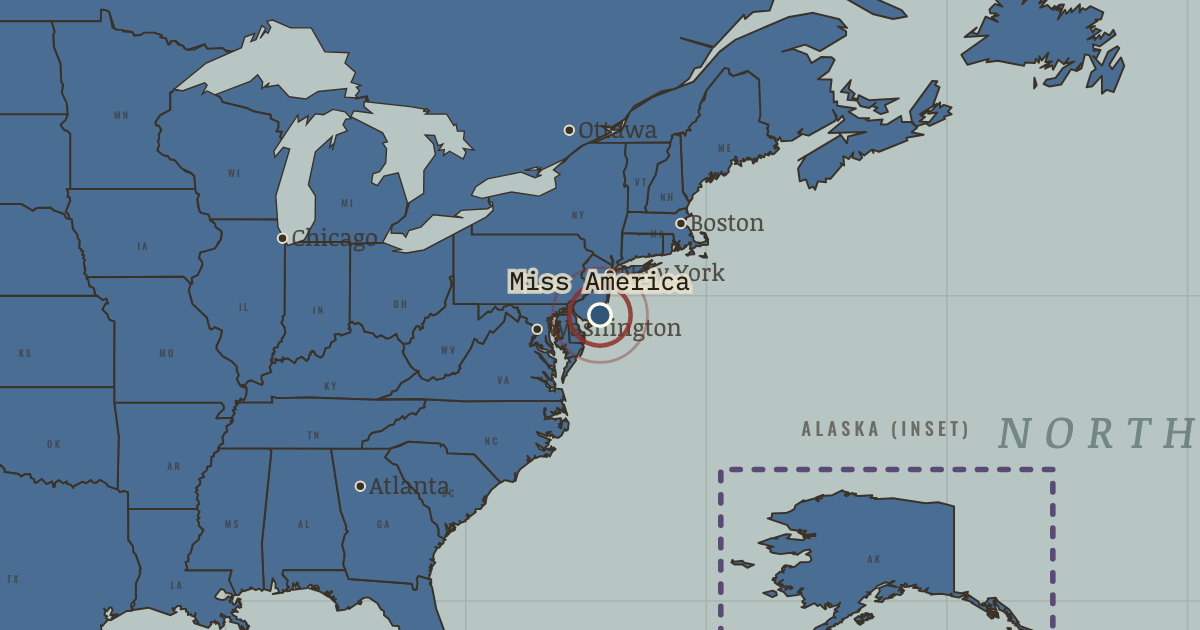
Miss America protest
7 Sep 1968 — A few hundred women from New York Radical Women picket the pageant in Atlantic City, crowning a sheep and dropping bras, girdles and mops into a “Freedom Trash Can”. Nothing is burned, yet “bra-burners” enters the language.
WW2 is free — every chapter. Try chapters 1–2 of any 2 other atlases (3 with a free account). Opening a new atlas uses one of them. Membership opens all 21 — Join.
Free printable Feminism and the Tunisian Revolution study guide, sent by email ↓
The moment in context
The law opened the door before anyone was ready to walk through it, and the reason lies in how the word “sex” entered Title VII, the employment section of the new civil-rights law. On 8 February 1964 Howard Smith, a Virginia congressman who opposed the bill, proposed adding “sex” to the forbidden grounds for discrimination. His motives are still debated, because he opposed civil rights yet had long supported the Equal Rights Amendment (ERA), a proposed constitutional guarantee of equal rights regardless of sex. Martha Griffiths and other congresswomen seized the amendment and it passed. In its first year about a third of the complaints to the EEOC, the agency created to enforce the law, concerned sex discrimination, yet a senior official called the sex provision a “fluke” and sex-segregated job advertisements continued. A right without enforcement is only a promise, and the lesson pushed women to organise.
From Title VII and the founding of NOW, chapter 2 of Protest and Change: Second-Wave Feminism and Tunisia, 1945–2015 (1970).
The place: Miss America protest — map and full story →
Teach this in 5 minutes
- Why it happened — A civil-rights law with a sex clause. Title VII gave women a legal weapon that existed almost by accident, and a weapon creates a constituency of people who want it used. Once…
- The turn — The founding of NOW, 30 June 1966. The founding of NOW is the hinge because it gave second-wave feminism a permanent national organisation with a programme, a membership and a legal…
- What it changed — The EEOC is forced to act. Pressure from NOW and from thousands of complaints pushed the EEOC to rule in 1968 that sex-segregated job advertisements broke the law, and in 1969…
Then ask the room: Which did more to create change for American women in the 1960s: the law, or the movement that formed to enforce it? The argued answer is on the chapter page →
The atlas that shows it
THE FREE PRINTABLE STUDY GUIDE
Join the Dispatch — a short welcome series, then a letter when a new atlas opens — and the printable study guide for Protest and Change is yours now, free.
NO TRACKING · YOUR ADDRESS IS USED FOR THE DISPATCH AND NOTHING ELSE · UNSUBSCRIBE ANYTIME